


As the 2000s ended, music began to face an unexpected shift:
As rhythmic Timbaland-ish drums were traded for pounding 4/4 808 beats, and heartbreak ballads sung with a Jamaican patois over Ben E. King samples (or just one) were quickly phased out:
In favor of songs about drinking and partying.

Nickelback’s radio rock guitars were dropped as the general public were moving to sugary synthesizer beats.
And more importantly, established stars had to adapt to this electropop-filled environment. No matter what genre they were from, they had to move away from their comfort zone to grab a hit.
What do you get when you compile almost every bit of club-made, electronic, mostly redundant party music made in a time where the American economy was in shambles?
You get “Recession Pop”!
The term “recession pop” isn’t really an official classifier in the music lingo, but it’s been used by multiple music forums very recently to describe dated 2010s pop music.
Of course, there were some non-electropop artists that managed to break through for a while before Lorde’s “Royals” killed Swedish electropop and made way for alt-pop and progressive house music. Owl City, Neon Trees, Kris Allen, Eminem, Adele, and Lady Antebellum all managed to break through the barrier of club music without even having to change their modus operandi.
But when 2009 started to end:
Max Martin’s synth-work killed every genre that was popular a few years earlier. It was the new grunge moment, and was its “Smells Like Teen Spirit.”

So how did this trend of people singing and rapping over party music become omnipresent in the early 2010s? Let’s find out!
Get your drinks and dance moves ready, because we’re about to go back to the era where everyone partied till they died!
Chapter 1:
Just Dance, It’s Gonna Be Okay
Before we dive deep into the recession pop phenomenon, I’m gonna tell you about a little something called Blackout.

This album was made by an instantly recognizable name:
Britney Spears.
When it came out, some of you might’ve said “WAIT? THAT’S Britney Spears?!?!” when you heard “Gimme More” on the radio. It was a sonic shift from whatever Britney had done with Max Martin or The Neptunes.
(Max Martin, of course, will still prove to be a figure of importance in this article, along with his producer friends.)
It was the Brat of the 2000s.
It was also its Nevermind, as it proved that electronic-based music could fit well in a pop context. There was always synth magic involved in the hits of the Hot 100. (Case in point: the whole new wave boom of the 80s)
But no one heard something like “Gimme More” in their lifetime.
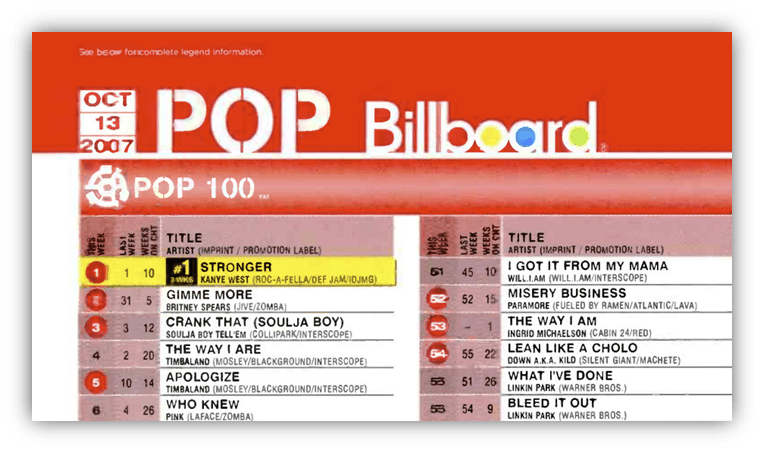
The song ended up peaking at #2 on the Hot 100, marking the start of a new era.
However, recession pop wouldn’t get its big break until 2008, when the world was introduced to a rising Miami star named Flo Rida.
Right as Flo Rida made his Miami bass-tinged rap song and #1 single “Low”, the economy had gone to shit. Combined with the Lehman Brothers going bankrupt, the world was in peril.
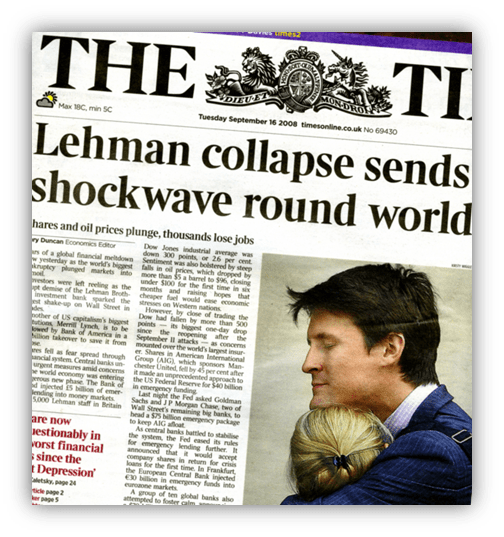
No economic problem had come close to being this severe since 1929’s “Great Depression”.
Because of the even greater depression that people had during these unfortunate times, artists started making dancefloor-made electropop as a coping method to distract people from the recession.
And it worked like a charm.
By 2008, the sand was shifting, but music still hadn’t changed for the greater good.
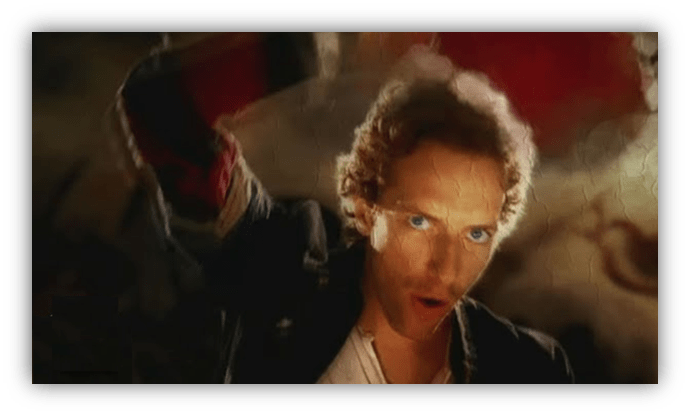
Coldplay had recently shifted their sound from adult-contempo-soft rock to serious art rock by working with U2/David Bowie associate Brian Eno to produce Viva La Vida.
Combined with a visually striking music video from one of the greatest music video directors of the 90s and the 2000s, the song reached #1.
Leona Lewis also had a big breakthrough by making Mariah-esque R&B that could appeal to both pop listeners and R&B fans. “Bleeding Love” also reached #1. Even Mariah Carey, Leona’s stylistic predecessor, had a #1 hit in 2008!
I hate to extend this section further, but my point is that the recession pop takeover hadn’t exactly started yet.
2009 was where recession pop truly took over the music scene. Sure, the All-American Rejects had their one last laugh, but electronic dance-pop had taken over the charts by then.
The same week “Gives You Hell” hit its chart peak at #4…

…Flo Rida’s genuinely awful Dead or Alive-sampling “Right Round” had its second week on the top spot.
2009 was also the year Lady Gaga told us to just dance, because it’s gonna be okay. That marked the real start of recession-centered electropop.
Chapter 2:
The Party Don’t Stop, No

After 2009 had ended with two behemoth hits from the Black Eyed Peas, the world was just recovering from the global recession.
But people didn’t want the sleazy party atmosphere to go away, so recession pop just kept on coming and coming. New stars like Taio Cruz and Far East Movement were able to break through just by working with producers who were commercially available and/or representing a fresh pop sound.

And old stars like Enrique Iglesias, Usher, and Jennifer Lopez had to adapt to this brash environment of club music to nab giant hits.
Nothing, not even the tiniest bit of “Need You Now” getting rotated onto pop radio, could stop the insane run that Max Martin and his producer buddies had in the 2010s.
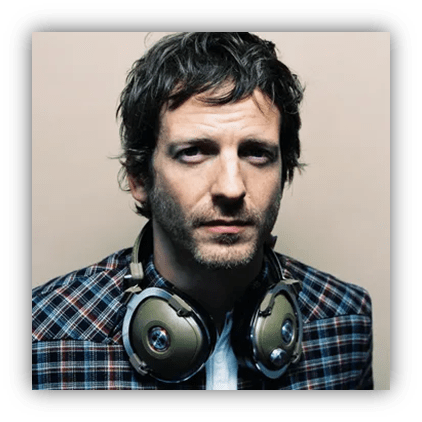
It brings me no joy to report that Dr. Luke was omnipresent around this period of recession pop, for reasons you probably don’t need to look very deep into. (I’m sure you’ve read about them, so I don’t need to explain.)
He produced tons of hits songs around 2009 to 2011 and you might’ve enjoyed almost one of them. Those songs are still bangers.
The early 2010s was where recession pop was at its absolute core.
Whether it be Rihanna’s Avril Lavigne-sampling “Cheers,” or Jason Derulo’s synth-banger “Ridin Solo’” or La Roux’s 8-bit breakout “Bulletproof”, there was no escape from the genre.
2011 managed to have a few hits cut through the redundancy, one of them even skyrocketing to #1 and becoming the biggest hit of the decade.
That hit was “Rolling in the Deep”.
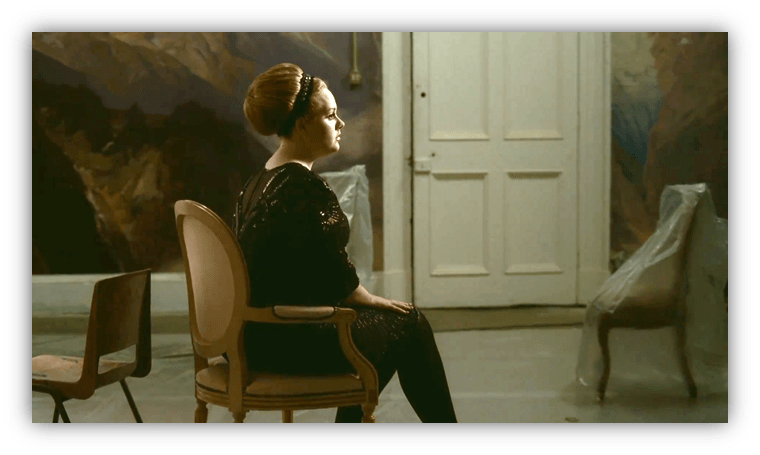
Somehow, Adele’s strong Winehouse-esque vocals had managed to reach #1 in a year full of party music.
And with that hit, she became a chart juggernaut, grabbing three #1 hits in 2011 and 2012.
Despite Adele’s early 2010s chokehold, the reign of electropop and dance-pop wasn’t over…yet.
Right after “Rolling In The Deep” spent seven consecutive weeks on the Hot 100, Pitbull’s apocalyptic dancefloor groove “Give Me Everything” replaced it for one week…
…Only to be knocked off by LMFAO’s “Party Rock Anthem”.
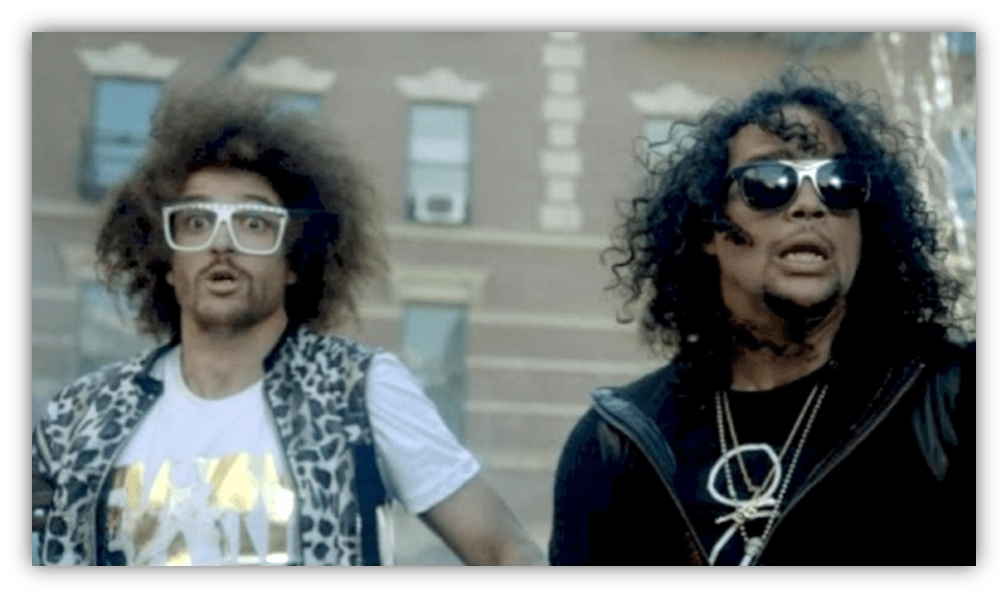
It took two pop rock songs reaching #1 to bring Adele’s soulful Semisonic-written balladry back to the top. That pop rock song was Maroon 5’s synth-tinged “Moves Like Jagger.”
After “Someone Like You” knocked Maroon 5 out of the top spot, the two songs had been fighting for the top spot before the chart feud was cut short by Rihanna’s raving EDM track “We Found Love.”
Recession pop’s strong chokehold on the charts slowly made people tired of the genre. But little did they know, a year later, this chain of party music would be over.
Chapter 3:
Set the World On Fire
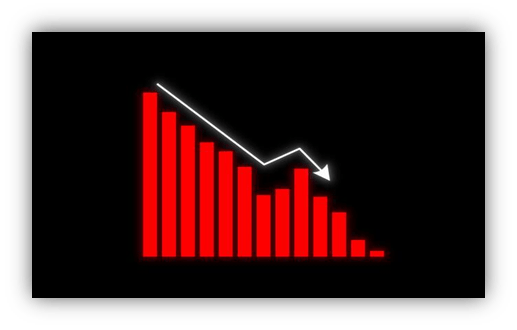
In 2012, strange things happened on the charts.
For a moment, the charts were briefly dominated for weeks by artists who hadn’t been staples in mainstream culture making songs that weren’t produced by the regular names: Max Martin, Dr. Luke, Shellback, Benny Blanco, RedOne – none of them.
These chart saviors went by the names of Nate Ruess, Jack Antonoff, Andrew Dost, Gotye, Kimbra, and Carly Rae Jepsen.
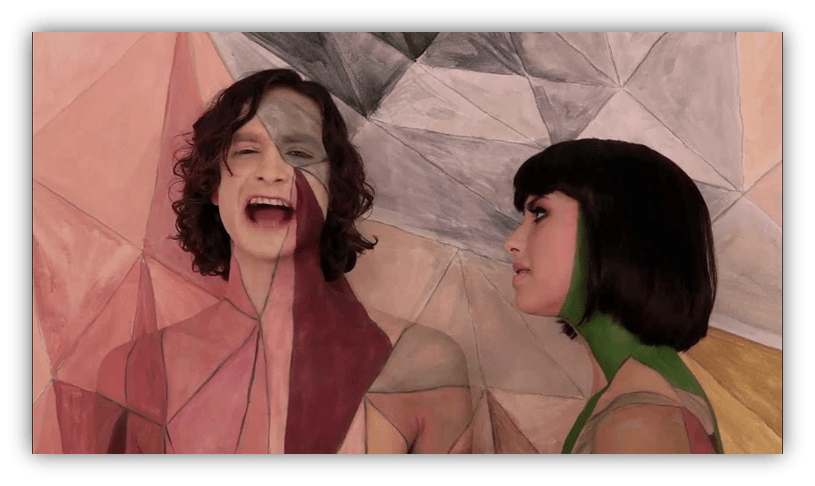
It felt like a breath of fresh air to hear something like “We Are Young” or “Somebody That I Used To Know” after people were getting sick of the redundant party-party-party music on the radio.
“Call Me Maybe” was close enough to the early 2010s electropop, as it was still a great dancefloor banger, just without the Max Martin/Dr. Luke-processed synthwork. It made their mad-scientist hitmaking techniques look like complete jokes overnight.
Carly Rae Jepsen killed electropop.

Was electropop slowly fading from the mainstream? SPOILER ALERT: F**K NO.
After that chain of newcomers became instantaneous chart juggernauts, that reign was quickly interrupted by Flo Rida’s sunshiny, “so-bad-it’s-hilarious” pop-rap track “Whistle”. As seen on the chart-topping hits that dominated well after “Whistle”, it showed recession pop was coming to a close.
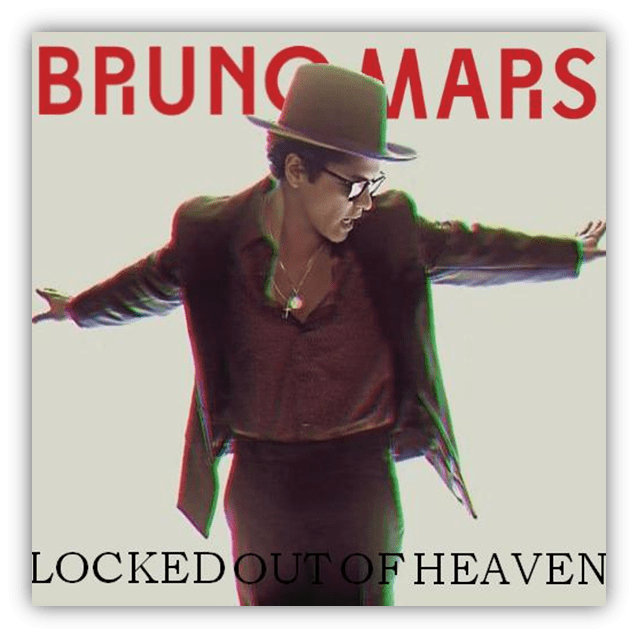
While Taylor Swift and Maroon 5’s #1 hits were also tinged with synth work, “Diamonds” and “Locked out of Heaven” showed that the genre was slowly fading.
2013 was THE year where recession pop in the mainstream had receded.
If you look at all of the #1 hits of that year, you’ll find zero low-res electropop.
You heard me.
While Max Martin and Dr. Luke were still active in 2013 (and they still are), the #1 hits they produced sounded the least like their input a few years back.
The world wanted something new.
- They wanted progressive house.
- They wanted EDM.
- They wanted folk music.
- They wanted indie rock.
And they got it.
Pitbull, one of recession pop’s biggest stars, was able to adjust his modus operandi to the current time now that the party-coded dance-pop he made was slowly dying.
His final #1 hit, “Timber,” was entirely made to fit in with the folktronica that the late Avicii had brought to the world with his hit single “Wake Me Up”.

And his career thrived until a sonic shift in the way party music was produced happened AGAIN in 2016.
Every big star in recession pop was slowly going to move away from the synthy pop music that they made now that it seemed dated compared to what was popular in 2013.
Chapter 4:
The Energy Died

It was over.
Recession pop had slowly been killed off, and all of its remaining stars had either fell out of relevance or pivoted to a much fresher style of pop music.
All of its producers were able to change with the times, turning their back on recession-made synth music and adapting to newer pop.
- Trap music and tropical house had slowly became the biggest genres in the years following recession pop.
- EDM had faced a banner year the moment 2010s-ish electropop died
- And combined with the lawsuit from the genre’s leading lady, Kesha, against frequent collaborator and unfortunate cornerstone of recession pop, Dr. Luke, for allegations of sexual abuse under his wing, it showed no signs of return.
Pop music had become more chill, downbeat, and less hyper, and hell, even the dance pop and electropop saw a sudden change after recession pop died.
It may not have been a long-lasting trend, but you can still feel your heartbeat to the beat of the drums, get feelings that tonight is gonna be a good night, and live a teenage dream even without club music.
In conclusion, these hits are timeless classics and they will still live on as party music.