


A New Year’s Day reassurance and guide to noticing the small wins.
If you woke up this morning:
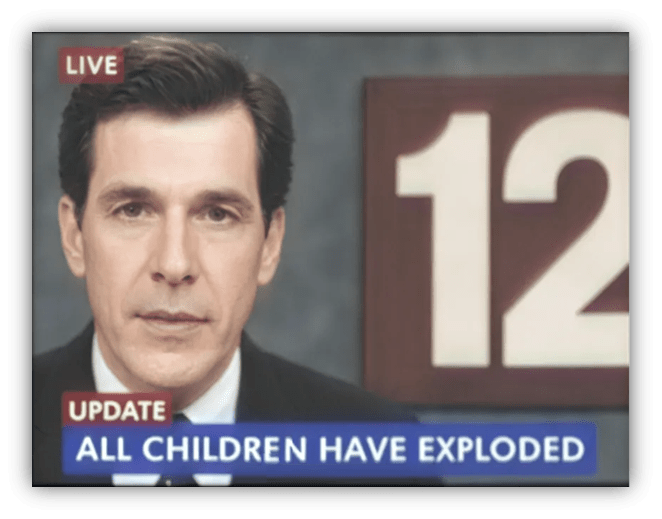
…checked the headlines,

…sighed,

…and briefly considered going back to sleep until March?
Well, take heart. It’s OK. You are definitely not alone.
Daily “BREAKING NEWS” exposure has become a kind of competitive Despair Olympics™: where you, our metaphorical gold medalist, earn the right to mutter, “Well, of course that happened. And now, I’m going back to bed. Don’t you dare wake me up until after the spring thaw.”

(And it’s worth noting: in today’s up-to-the-second, fast-paced environment, all this occurs before the coffee finishes brewing.)
Bummer. Or, in our ongoing attempt to reach the younger demographic: “Big oof – No rizz, bruh.”
And, yet, there are a few gimmers of hope.
Below are four examples: somewhat un-grand but provable, verifiable, and notable. These examples suggest that our world, in some meaningful ways, is doing better than it feels.
I’m no expert, just here to help. Think of it not as denial, but as recalibration.
1. Young People Are Quietly Losing Interest in the Tech Overlords
A funny thing has happened to the digital gods: the kids are bored with them.
Teen and young-adult usage of once inescapable platforms has declined, or in some cases, flattened, with younger users reporting fatigue, anxiety, and a general sense that being algorithmically poked at all day has become… {re-checks the Gen Alpha slang notes…}
“Ohio beta. (Bruh.)”
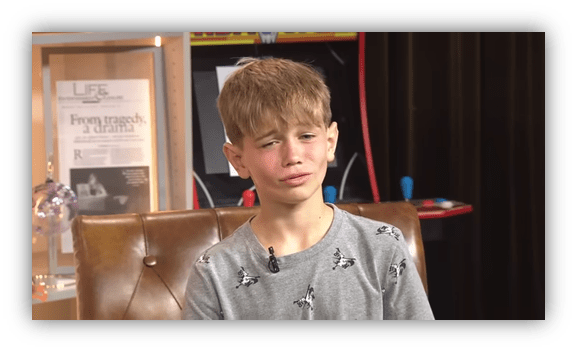
“Hey, Unc? Please stop.”
The Pew Research Center has tracked declining enthusiasm among teens for platforms once considered mandatory social infrastructure.
Movements toward “digital minimalism,” dumb phones, and intentional offline time are no longer fringe lifestyle experiments. They’ve risen up to dinner-table topic status. Which, although completely unscientific, always seemed to me to be a reliable metric.
Even Meta’s own internal research: deliciously disclosed, whistleblower style,

(Resulting in what I like to call “Zuckersweat”)
…has acknowledged the mental-health tradeoffs of endless engagement.
Of course, the kindernet isn’t suddenly evaporating. The younger generation’s pushback is something better: good old-fashioned skepticism. With an unexpected and very refreshing dollop of critical thinking on the side.
Good on you, kids.
The generation that grew up inside the machine has located the dopamine switch, and has begun to occasionally flip it to the “off” position.

It’s not a full-on revolution, but it is a verifiable course correction. Perhaps the first recorded instance of a powerful industry facing serious disruption not from regulation or revolt, but from a collective teenage shrug.

Which, come to think of it, has historically been all it took to get things moving in a better direction.
2. Even If It Doesn’t Feel Like It: Violent Crime Is Down
Step away from the chyron. This one requires a deep breath.
According to FBI data and independent crime analysts, violent crime in the U.S. has declined significantly from its pandemic-era spike, including notable drops in homicide rates across major cities.
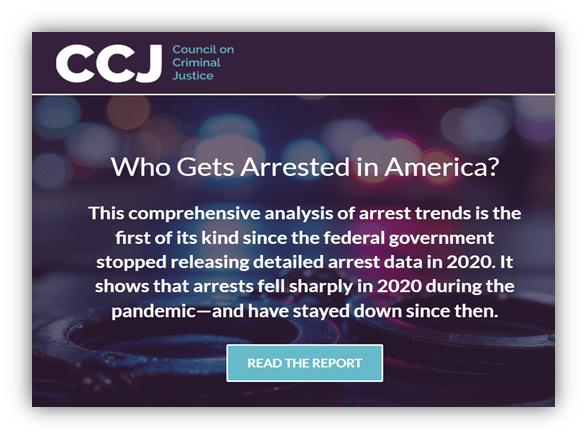
The Council on Criminal Justice reported continued downward trends through 2024.
This isn’t Pluribus. None of this means crime is “solved,” or that fear is irrational. But it does mean that the loudest stories are no longer the most representative or accurate ones.
Fear travels faster than data. It always has.
The improvements cited here do not mean that bad things have ceased to happen. Rather, it’s that statistically, fewer of them are happening than a few years ago. Quiet progress rarely makes breaking news. It does, however, change lives.
Part of the reason it feels otherwise is the current divisive and loud political climate, coupled with a media economy that literally profits from outrage. The more alarmed we are, the more clicks and ads are generated, which encourages stories that terrify rather than reassure.
“No cap. We’re getting chopped.”
Agreed, I think. And, unfortunately, the cable news brain trust knows all too well:
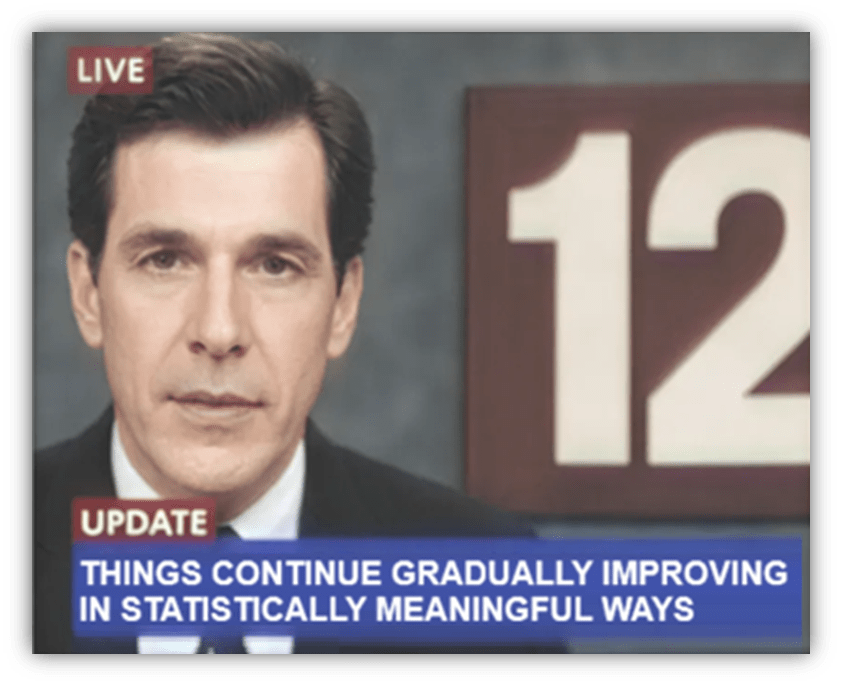
“Things Continue Gradually Improving in Statistically Meaningful Ways” is not going to ensure you’ll keep watching during and after the commercial breaks.
3. Clean Energy Has Crossed the Boring Threshold (Which Is the Goal)
Solar and wind are no longer exciting.
This is excellent news. Finally, something that doesn’t require a hashtag campaign or a congressional hearing.
Renewable energy is now often the cheapest new power source in large parts of the world, even without subsidies.
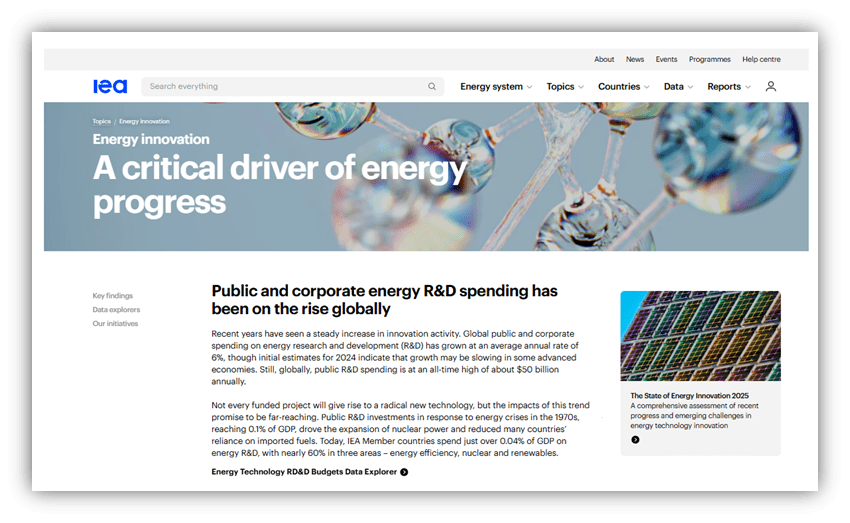
The International Energy Agency reports that renewables account for the majority of new power capacity globally.
This matters because boring infrastructure sticks.
When clean energy becomes not the virtuous choice, but a financial “no-brainer” option, it stops being a culture-war symbol: and becomes a spreadsheet-proven solution.
You won’t see a parade for this. You will, however, see fewer power plants built the old way. Progress usually behaves this way: innovating and executing, even as the world drones on with irrelevant and manufactured reasons not to deploy common sense.
It turns out the fastest way to change the world wasn’t moral clarity, but an accountant calmly circling a lower number.
4. People Are Getting Better at Helping Each Other
One of the least-covered developments of the past few years is the quiet resurgence and increase of mutual aid. Here’s why:
Encouraging Fact: Volunteerism rebounded after pandemic lows, according to AmeriCorps data.
Discouraging Fact: If you clicked that link for a fact check, this what you’ll see:
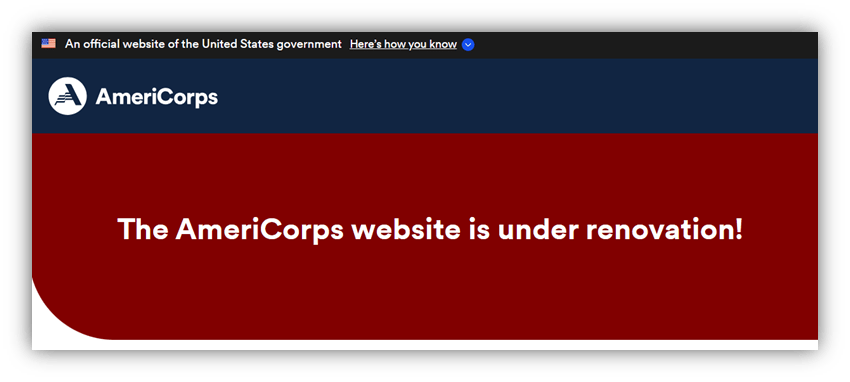
The Trump administration implemented significant cuts to AmeriCorps in 2025:
Terminating nearly $400 million in grants, which shuttered over 1,000 programs and affected more than 32,000 member organizations.
So, Americans are doing what they always do in times of duress. They step up, help one another, and figure it out on the fly.
- Neighbors organizing childcare swaps so that they can keep working
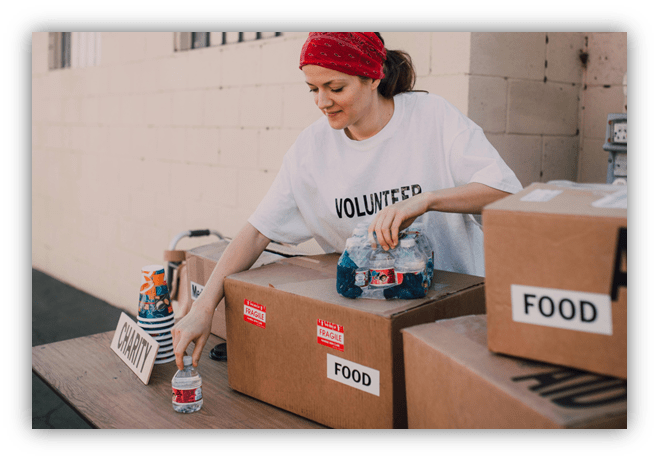
- Food bank and food pantry distribution to assist those in need
- Transportation and everyday logistical assistance
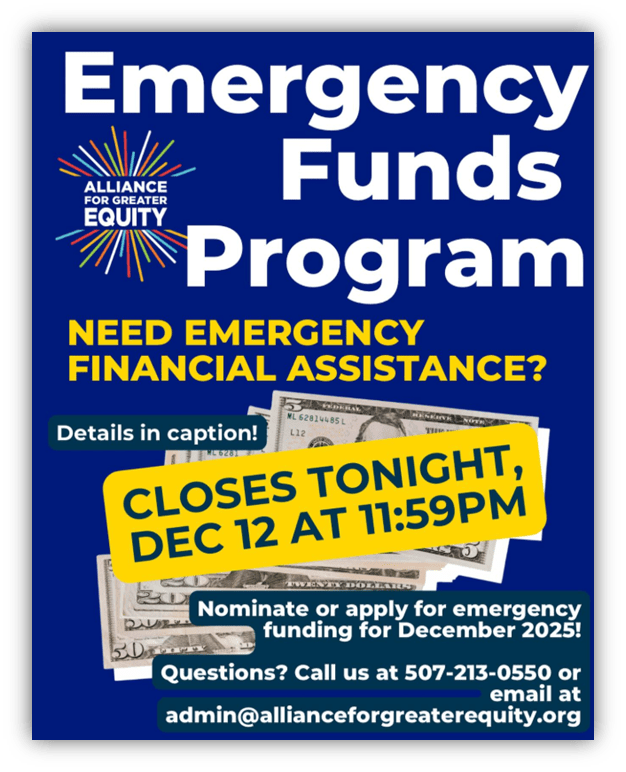
And: emergency micro-funding. 100% funded via charity.
All are happening now, in states of various shades of red, blue, and purple. All without waiting for the bureaucracy to catch up.
Part of the reason that this quiet cooperation doesn’t get much publicity? Once again: a diet of fear, agitation, and rage-bait content sells advertising.

And infotains far better than neighborly acts do.
And it’s sad but true: with the current administration’s penchant for slashing assistance first and asking questions later? For the time being:
Staying under the radar is the smart move.

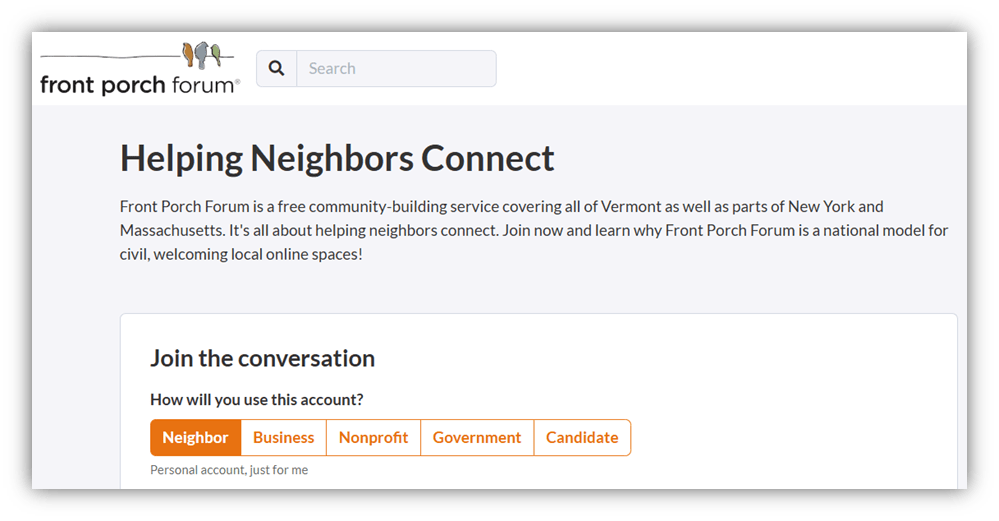
Online platforms like regional forums and neighborhood networks help people connect and coordinate support directly, making it easier to organize help without announcing it to the world – a dynamic that’s become a genuine community feature, not a bug.
For example, hyperlocal social networks such as Front Porch Forum enable neighbors to organize mutual aid responses to local needs .
Civilization has always depended less on grand plans than on millions of quiet favors. That system, it turns out, is still operational.
The news will still trumpet collapse.
It’s easier to read, easier to sell. Progress, by contrast, often shows up in subtle gestures: fewer sirens in your neighborhood, lower power bills, a teenager finally logging off, a neighbor quietly lending a hand.
These small victories add up faster than the outrage cycles can track.
So here’s a New Year’s roadmap, modest and attainable:
- Stay informed, just widen the lens.
- Notice and talk about the quiet wins.
- Let yourself believe that repair is possible, even when it’s unspectacular.
History rarely announces when it turns a corner. Most of the time, it just lowers its voice and keeps going.
Happy New Year. And now:
Take a deep breath, enjoy that coffee, tea or cocoa before it gets cold, and I promise that somewhere between the Times Square ball drop and the spring thaw, you’ll see:
A few more quiet wins are on the way.