
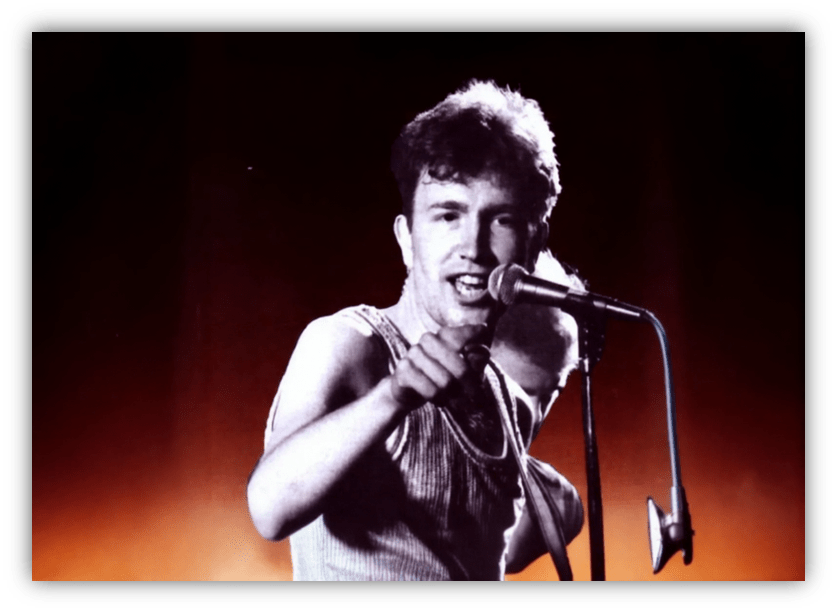

The history of Pop music can, in a very specific way, be divided:
Into the time before Tom Robinson – and the time after.
Throughout the 1960s and 70s, there were rumors about certain Rock stars being gay.
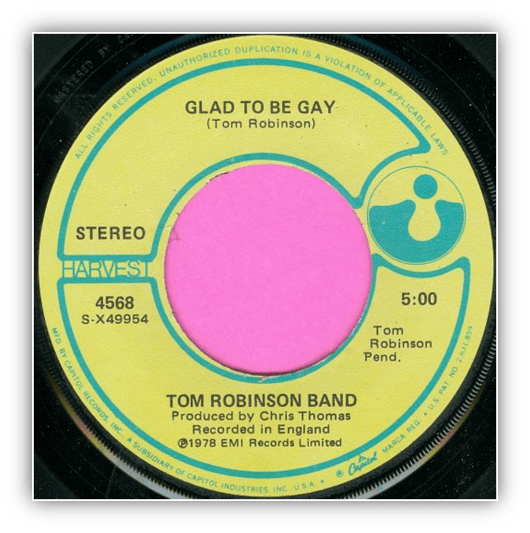
Mick Jagger, David Bowie, Rod Stewart, Elton John… well, sometimes rumors are true. But no one openly sang about being gay until The Tom Robinson Band’s “(Sing If You’re) Glad To Be Gay” came out.
No pun intended.
There were songs about being homosexual before 1976, of course, but most were couched in metaphors. Let’s look at a few from a century ago.
Noël Coward
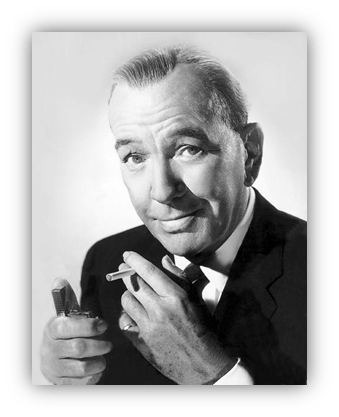
“We All Wear a Green Carnation”
(from Bitter Sweet, late 1920s)
When Oscar Wilde’s play Lady Windermere’s Fan premiered in 1892, Wilde suggested his close friends wear green carnations on their lapels.
That same year, Wilde’s lover, Lord Alfred Douglas, wrote a poem called Two Loves. It’s flowery in both subject and language, and compares joyful, public heterosexual love with hidden, closeted homosexual love. Coward’s use of the green carnation is an, ‘if-you-know-you-know’ nod to the proud but taboo gay community.
Sample lyric:
Faded boys, jaded boys, come what may,
Art is our inspiration,And as we are the reason for the ‘Nineties’ being gay,
We all wear a green carnation.
(German cabaret, c.1921)
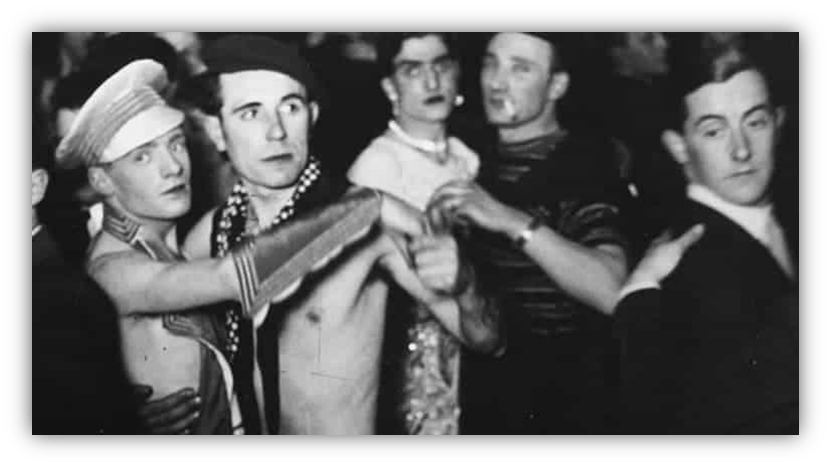
“Das Lila Lied” / “The Lavender Song”
Following its loss in World War I, Germany became a republic for the first time.
This period, known as the Weimar Republic, lasted until 1933. Gays and lesbians saw more freedom. “Das Lila Lied” was an anthem that circulated in cabaret networks, but used signals rather than explicit language. It’s pretty clear-cut for its time, however.
Sample lyric:
We’re not afraid to be queer and different
If that means hell, well hell we’ll take the chanceThey’re all so straight, uptight, upright and rigid
They march in lock-step, we prefer to dance
Ma Rainey
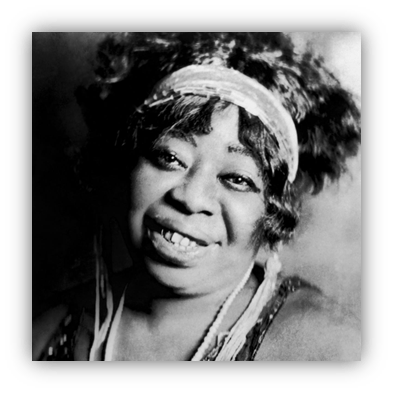
“Prove It On Me Blues”
(1928)
In 1925, Ma Rainey was arrested in a raid.
Historians waffle a little because the police and court records are vague or missing, but we know Rainey hosted a party and police found several undressed women in “intimate” situations. The legend is that it was an orgy with the women in her chorus. She was bailed out of jail by Blues singer Bessie Smith, who was rumored to be Rainey’s lover.
“Prove It On Me Blues” questions the evidence against her, and it challenges authorities and gossips to prove their allegations. There are no surviving documents showing that she was ever brought to trial.
Sample lyric:
They say I do it, ain’t nobody caught me
Sure got to prove it on meWent out last night with a crowd of my friends
They must’ve been women, ’cause I don’t like no men
Noël Coward
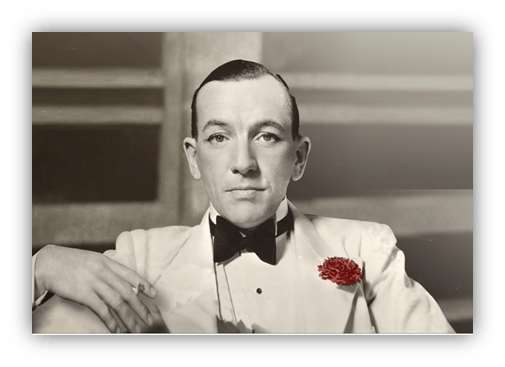
“Mad About the Boy”
(1932)
A torch-song written for the musical revue Words And Music which debuted in London.
In that production, each verse was sung by four different women in turn, each singing about longing for a male movie star. Rumor has it that the movie star in question was either Douglas Fairbanks, Jr. or Tyrone Power.
For the Broadway version several years later, Coward wrote a new verse for a male character. Coward, who was a closeted gay man, added the verse for the US production because homosexuality was illegal in the UK at the time, and New York audiences and critics gave gay material more leeway. However, the new verse pushed the song into an obvious gay-coded territory and the producers judged it too risky. They cut the verse before it reached wide audiences.
Sample lyric:
When I told my wife,
She said, “I’ve never heard such nonsense in my life!”
Half a century ago, Rock music allowed for a wider range of subject matter and attitudes.
Some songs even talked about transgender people but even so, the gay person was always someone else in the lyrics, never the singer.
The Kinks
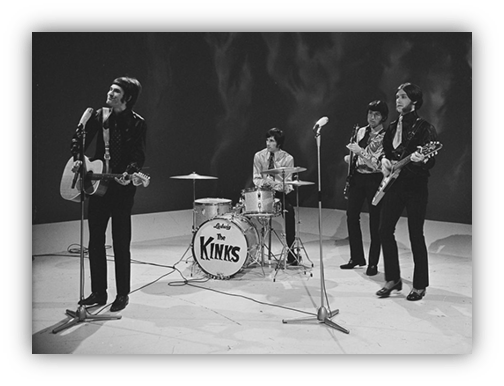
“Lola”
(1970)
“Lola” frames gender and sexual ambiguity as a plot twist, using storytelling rather than explicit details.
Written by Ray Davies, it was inspired by an encounter one of the band’s managers had in a nightclub with someone he initially assumed was a woman but later realized was a trans or gender-nonconforming person. Davies turned the story into an empathetic song about a young man’s surprised attraction and the unpredictable nature of desire.
At a time when mainstream rock rarely acknowledged gay or gender-variant people, Rather than mocking its subject, “Lola’s” nonjudgmental tone celebrates freedom, ambiguity, and the idea that love and longing don’t always fit neat categories.
Sample lyric:
Girls will be boys and boys will be girls
It’s a mixed up, muddled up, shook up world
Lou Reed
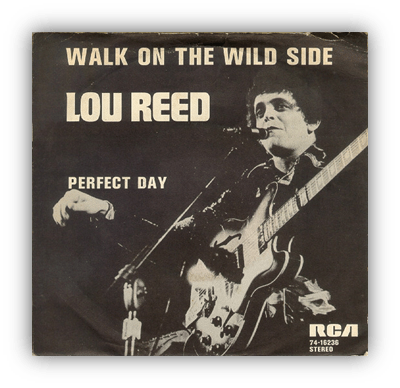
“Walk on the Wild Side”
(1972)
“Walk On the Wild Side” was inspired by the real people who were part of Andy Warhol’s Factory scene.
Each verse is a loosely fictionalized portrait of real people like Holly Woodlawn, Candy Darling, and Joe Dallesandro. The song treats their gender transitions, sex work, and sexuality with a mix of candor and compassion that was unusual for the time. Reed wrote about marginalized lives without any moral judgment, presenting queer and trans people as simply part of humanity’s tapestry.
Sample lyric:
Holly came from Miami, F-L-A
Hitch-hiked her way across the USA
Plucked her eyebrows along the way
Shaved her legs and then he was a she
David Bowie
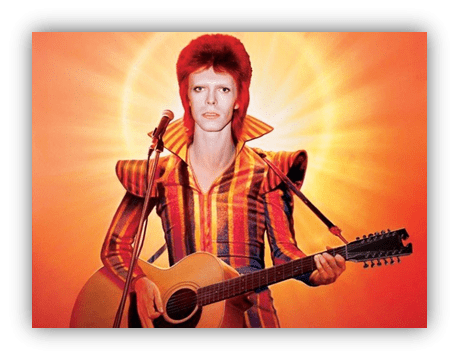
“Rebel Rebel”
(1974)
Written near the end of his Ziggy Stardust era, the song centers on a teenager whose mixed signals suggest gender play and ambiguity, and a general defiance of traditional roles.
Bowie wrote it as an anthem for kids who didn’t meet standard expectations, using the character’s androgyny as a symbol of personal freedom. It celebrates youthful nonconformity, identity experimentation, the joyous refusal to conform, and the thrill of rebelling simply by being yourself.
Sample lyric:
You’ve got your mother in a whirl ’cause she’s
Not sure if you’re a boy or a girl
Mott the Hoople
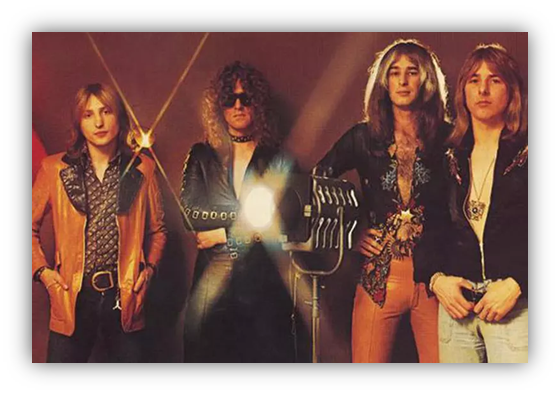
“All The Young Dudes”
(1972)
Bowie wrote this song and offered it to Mott the Hoople to keep the band from breaking up. Fortunately, it was a hit.
The song’s style and imagery — with its glitter kids, outsiders, boys in makeup — gave it strong gay resonance. It balances pessimism with solidarity, and celebrates marginalized youth finding confidence and community even if the world around them feels unstable.
Sample lyrics:
Now Lucy looks sweet ’cause he dresses like a queen
But he can kick like a mule, it’s a real mean team
But we can love
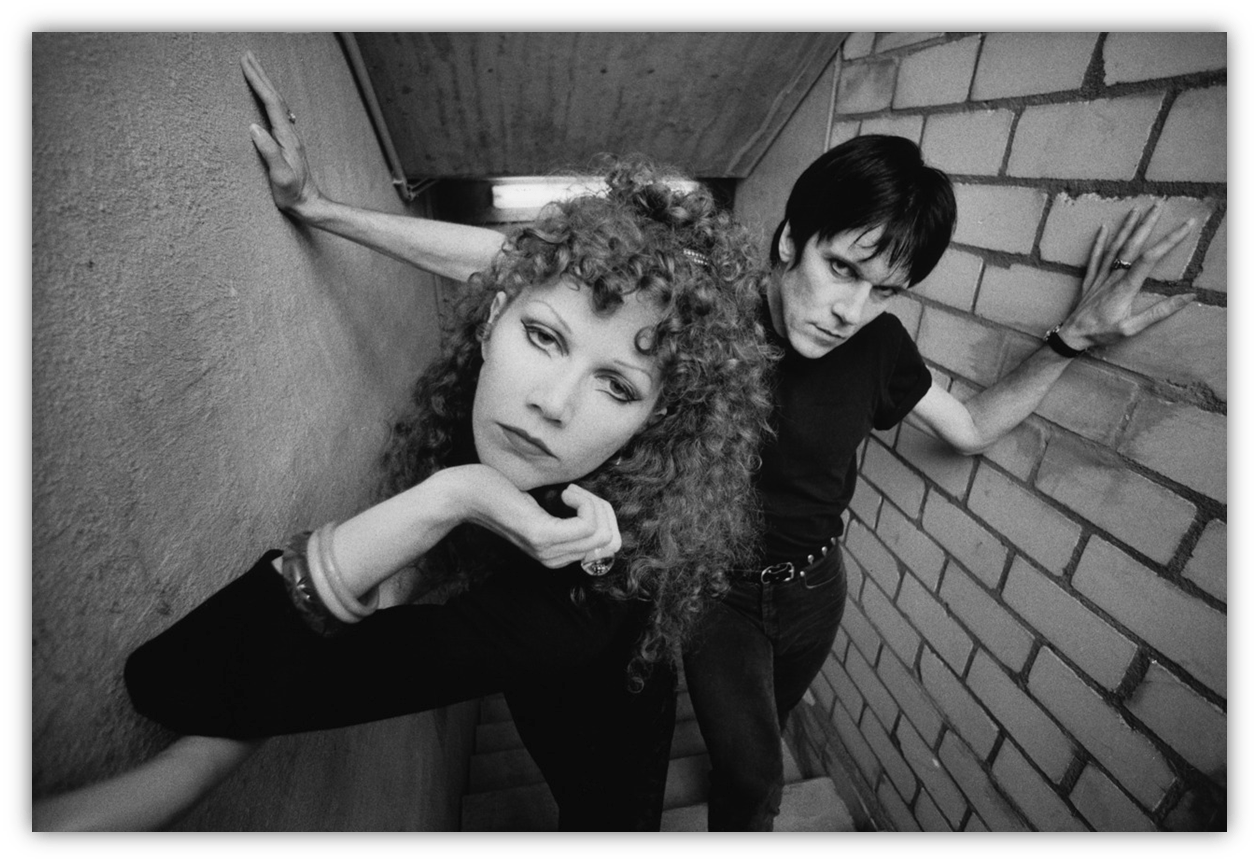
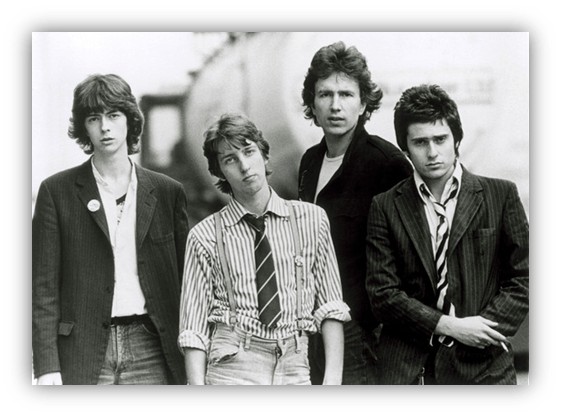
In 1976, less than ten years after the United Kingdom legalized homosexuality, The Tom Robinson Band started playing gigs.
It’s hard to overstate how gutsy it was to be publicly out of the closet, let alone to be out and selling records about being gay.
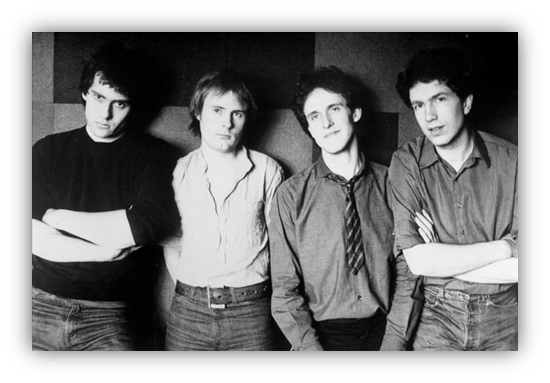
The band’s first single was “2-4-6-8 Motorway,” and it’s about driving a truck at night and the freedom of the open road. That’s not a LBGTQ topic, we all like driving fast. But listeners assumed otherwise because its chorus uses the “2, 4, 6, 8” hook which sounds an awful like the protest chant “2, 4, 6, 8, gay is twice as good as straight, 3, 5, 7, 9, lesbians are mighty fine.”
Years later, Robinson said that chant is exactly where he got the hook.
He wrote “(Sing If You’re) Glad to Be Gay” that same year for London Pride, and based it on police harassment, the hypocrisy of the press, and complacency within the gay community. He intended the song as a defiant singalong. In keeping with the spirit of the emerging Punk moment, it was blunt, funny, and confrontational.
The song combines an old-timey melody with four acerbic verses that name concrete targets: police raids on gay venues, hostile newspaper coverage, unequal legal treatment, and violence against gay people. The chorus reframes gay pride as a collective act — an invitation to join in rather than hide — which helped the track be both a protest and a party anthem.
Sample lyric:
Pictures of naked young women are fun,
In Titbits and Playboy, page three of The Sun,
There’s no nudes in Gay News, our one magazine,
But they still find excuses to call it obscene.
None of it is coded or covert like Noel Coward’s songs, and it’s not talking about observing other people, as Lou Reed had done.
It’s in the first person and uses “our” and “we,” as in the gay community.
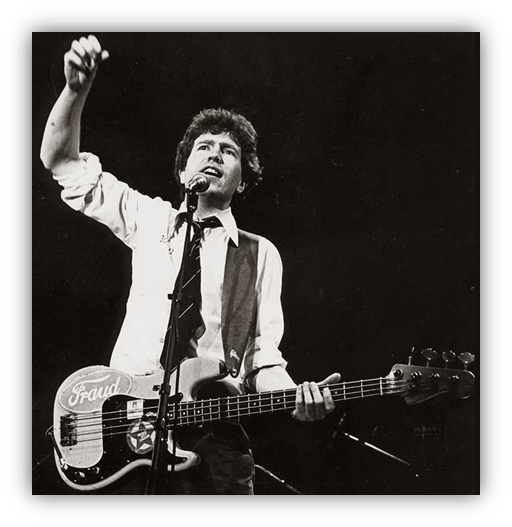
The band first performed the piece at Pride in 1976, and a live recording was released in early 1978 on the Tom Robinson Band’s Rising Free EP.
The EP reached No. 18 on the UK singles chart, and the song became the most talked-about track — embraced by activists and fans even as the BBC’s official Top 40 show refused to broadcast it. Some DJs, like the legendary John Peel, ignored the ban and continued to play it.
It was the most requested song on Capitol Radio and got to #18 on the UK Singles chart – without BBC airplay.
“Glad to Be Gay” brought explicit gay politics into mainstream Pop at an important moment.
Gay sex had only been partially decriminalized in Britain a decade earlier, and public attitudes and media treatment were still often hostile.
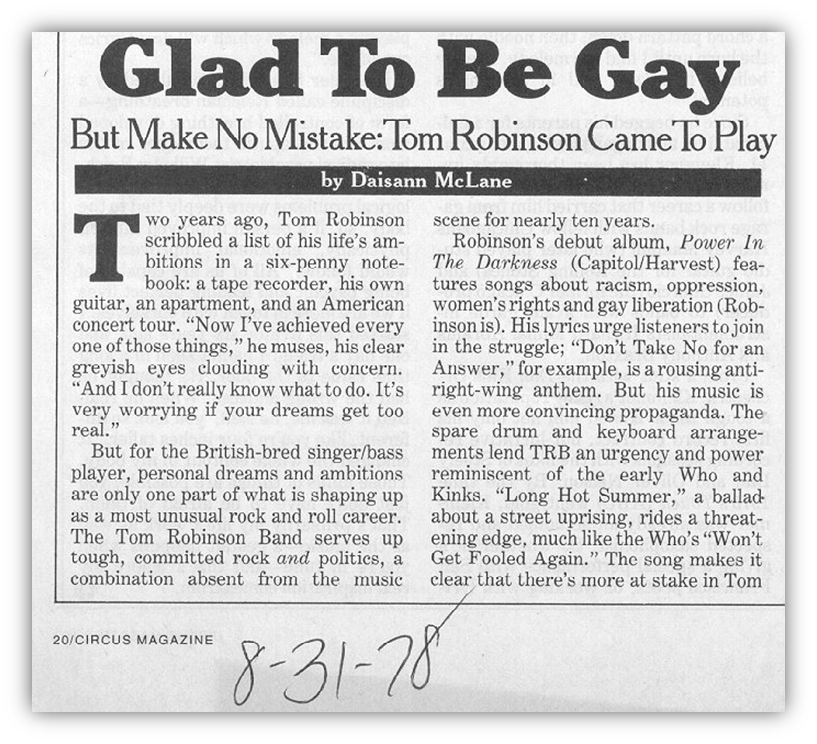
The song’s combination of plain language, indignation, and singalong accessibility made it an anthem for UK gay liberation and for musicians who believed Pop could be overtly political.
Robinson has repeatedly updated the lyrics over the years to reflect new issues — like AIDS-era lines — showing the song’s role as a living protest text.
Neither “2-4-6-8 Motorway” nor “Glad To Be Gay” were included on the first Tom Robinson Band album, Power In The Darkness. Robinson later called that a “fatal mistake.” It didn’t ruin his career, but it didn’t help the album’s sales.
Tom Robinson Band released a second album, TRB Two, in 1979. and its single “Bully For You” got to #68.
Its “We don’t need no aggravation” coda is seen as the inspiration for Pink Floyd’s “Another Brick In The Wall, Part 2.” Robinson said he was cool with Floyd using it because they did a better job than he did.
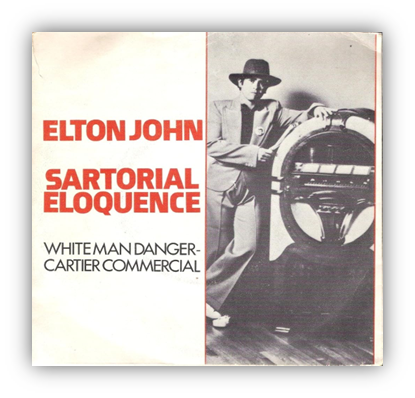
Robinson co-wrote “Sartorial Eloquence” and “Never Gonna Fall In Love (Again)” with Elton John.
The former was a minor hit single for John, the later was TRB’s last single and their foray into disco. It’s not bad but wasn’t a hit:
Partly because the disco craze was already fading and partly because there was no band to tour behind it.

The band’s lineup had changed several times and the members were tired and quarreling.
Robinson broke up the band in early 1979 and concentrated on activism.

He became a BBC radio announcer and hosted shows about music, masculinity, and mental health.
In the years since “Glad To Be Gay,” there have been many overtly gay Pop songs.
Frankie Goes To Hollywood released “Relax” in 1983, and Bronski Beat put out “Smalltown Boy” and “Why?” in 1984.
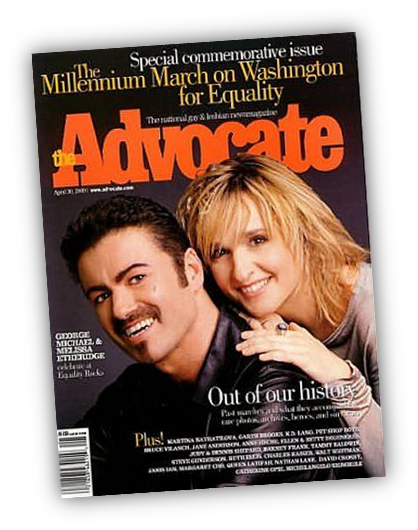
Other songs, like Melissa Etheridge’s “Come To My Window” and George Michael’s “Outside,” were released shortly after the singers came out.
These songs weren’t explicit but used genderless pronouns and were seen as gay songs.
The Punk subgenre Queercore produced such bands as Pansy Division who wrote about being gay with a satirical aggression meant to break the stereotype of being, well, pansies.
Their songs like “Bill & Ted’s Homosexual Adventure” and “James Bondage” show how explicit gay lyrics became normalized in indie/alternative circles.
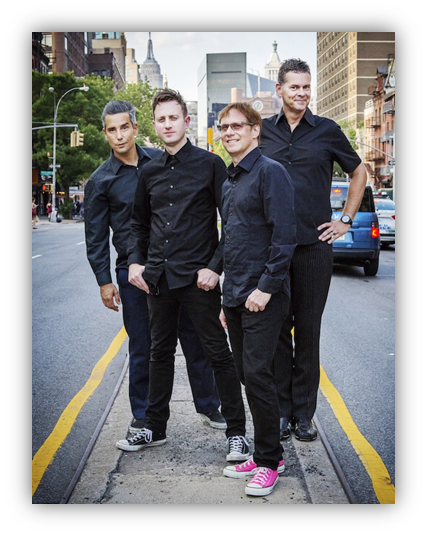
More recently, gay themes appear in Pop and Rap songs.
Artists like Troye Sivan, Janelle Monáe, and King Princess explicitly queer love songs, and make the charts without controversy. “MONTERO (Call Me By Your Name)” by Lil Nas X has an over the top fantasy video:
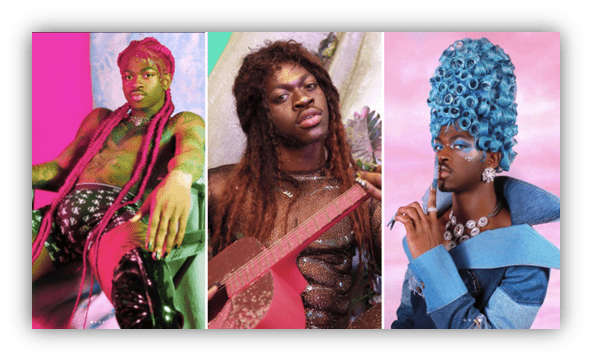
Just to make sure you get the point.
Now, we can’t say Tom Robinson directly caused every later song.
If he hadn’t done it, someone else would have, but let’s give him his due. “Glad To Be Gay” helped expand what mainstream Pop and Punk could do.
Tom Robinson and TRB made it easier for artists to risk plain-spoken gay subject matter in Pop, and for their audiences to feel heard.