

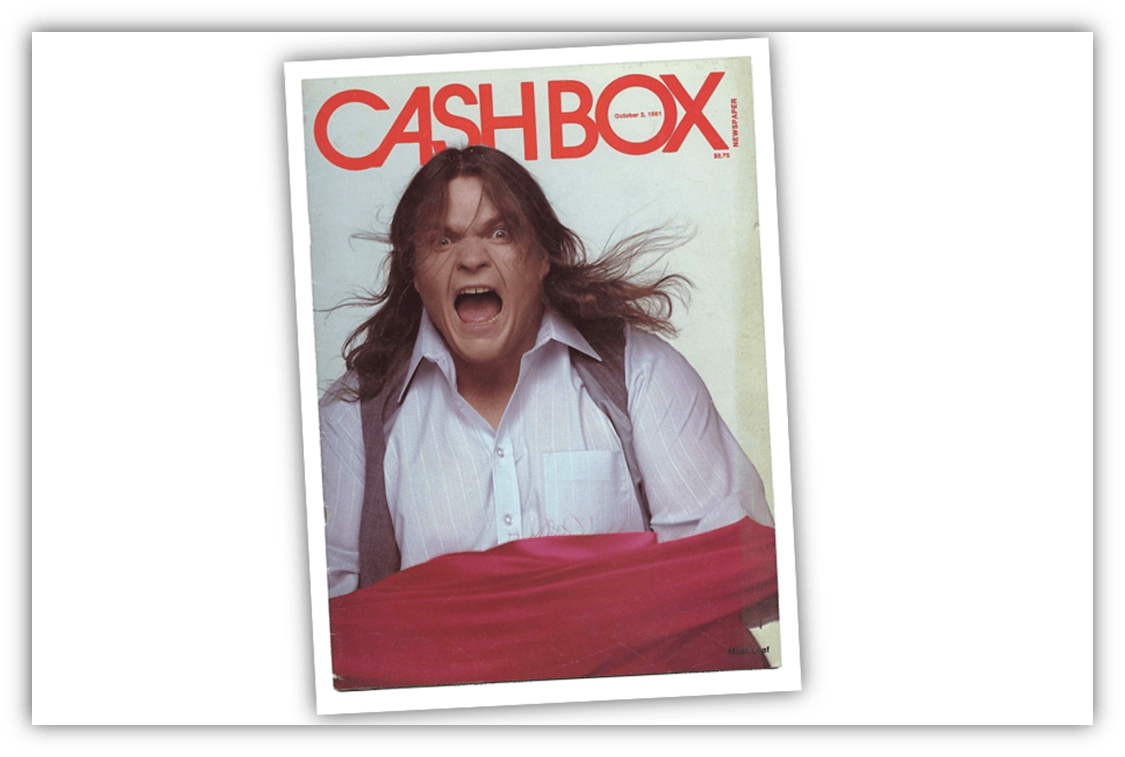

When you think of pop prestige, you think of the Hot 100.
It was…
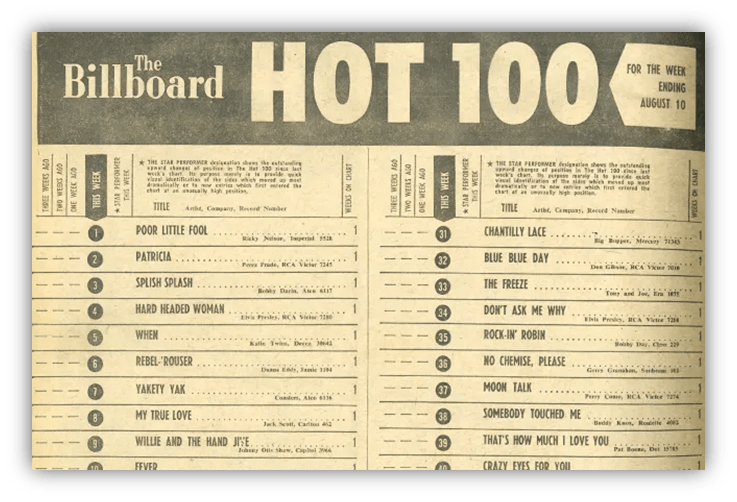

…And still is:
A dominant force in the music industry today.
Since 1958, Billboard has tabulated charts based off of sales and radio play. It was an industry standard.
But enough rephrasing! Off to the side, there was Cash Box:
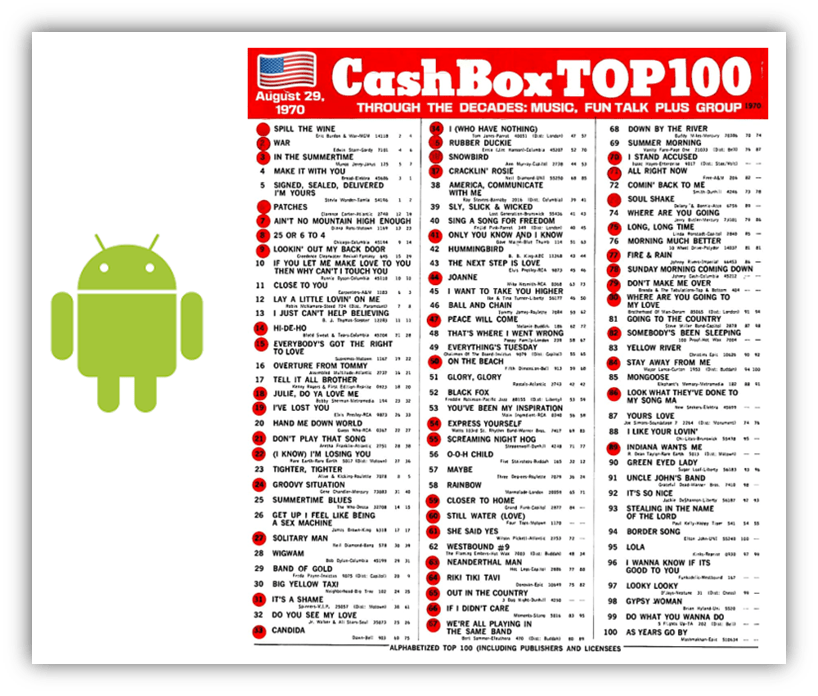
The Android of music charts.
The Pepsi of music industry trade.
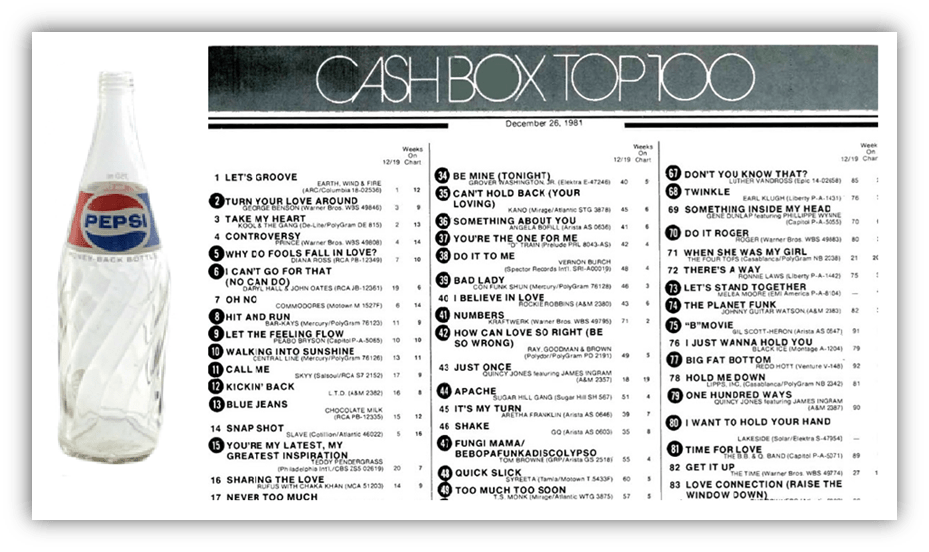
And more importantly:
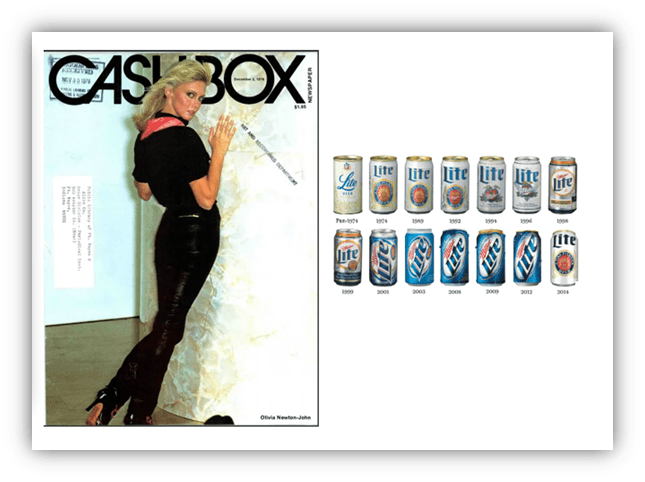
Billboard Lite.
But how did this chart go from the second-most observed industry standard to a now-forgotten name?
Let’s find out!
Chapter 1: The Rise
Cash Box were one of the few music publications, alongside Music Vendor, and of course, Billboard, that compiled songs into one record chart.
Its methodology differed from Billboard, as it compiled available recordings of best sellers into one chart position, with no indication of which version sold the most.
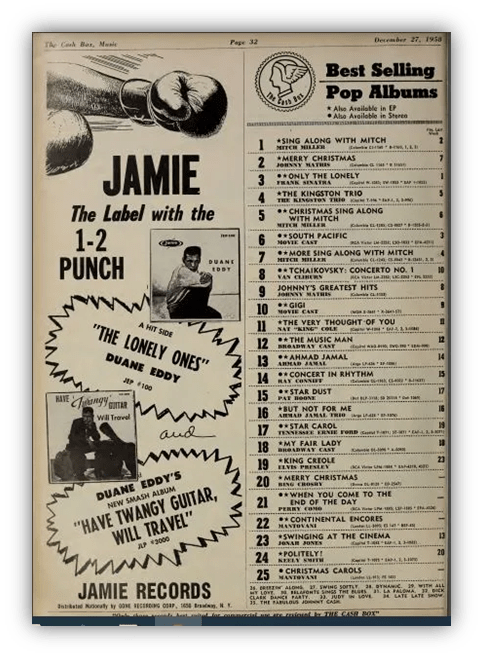
There were also separate charts for factors like jukebox popularity and record airplay, similarly to Billboard before they made a chart that put every measure of popularity into one chart.
This recent article by TNOCS Contributing Author Ozmoe showed that the Cash Box year-end charts had tons of discrepancies and inaccuracies in terms of chart results, and those discrepancies would eventually factor into the Cash Box brand’s fall.
Chapter 2: The Fall
Overtime, the Cash Box had become a complete obscurity and it was overshadowed by its better rival, Billboard.
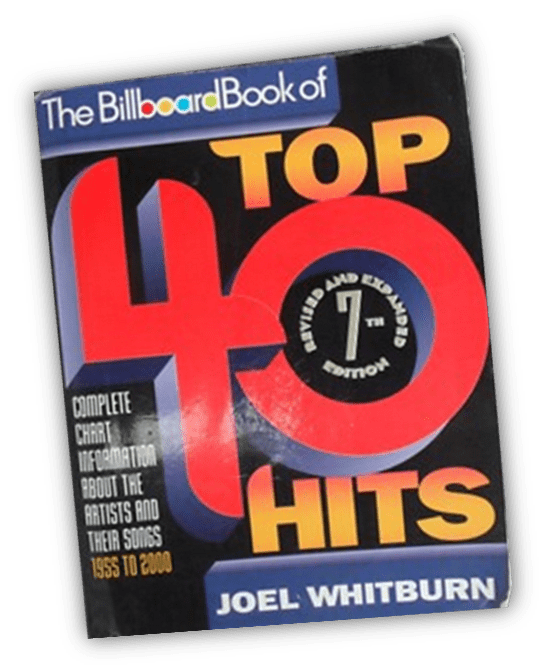
Joel Whitburn had made an entire book on Billboard’s chart placings.
The famous radio show, American Top 40, had used the Billboard Hot 100’s top 40 songs as chart data from 1970 to 1991.
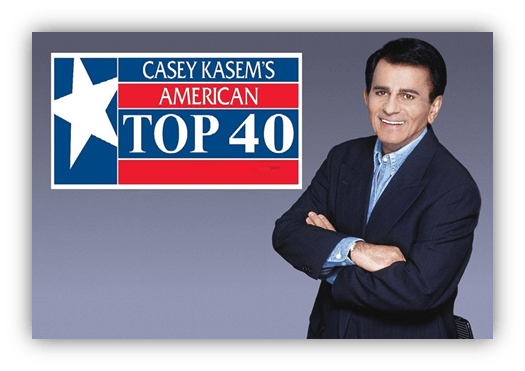
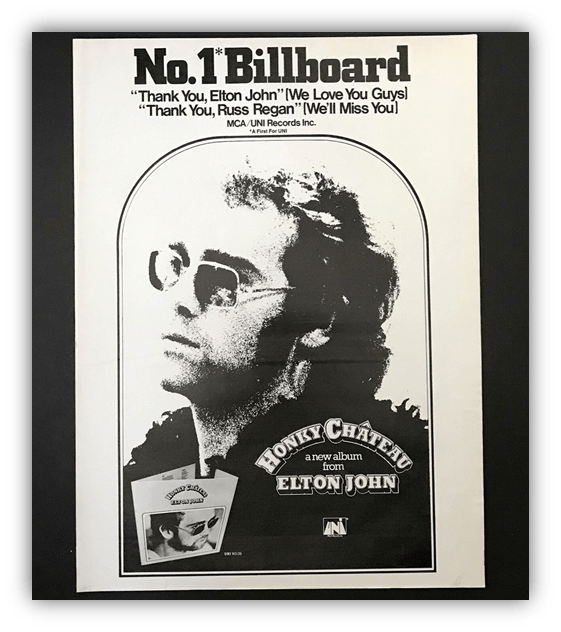
People realized that Billboard was the default source for music and chart history as a whole.
While some rivals used Cash Box as their chart history source in the 80s, it had already been seen as a washup. But that wasn’t even the real beginning of their downfall.
You can blame that on Wayne Newton.
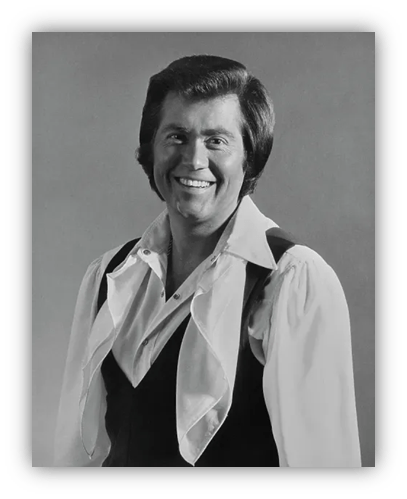
Wayne was one of the biggest entertainers in Las Vegas after a few of its signature stars had either become elders or died.
And he still is.
He’s only had one single that charted high on the Hot 100:
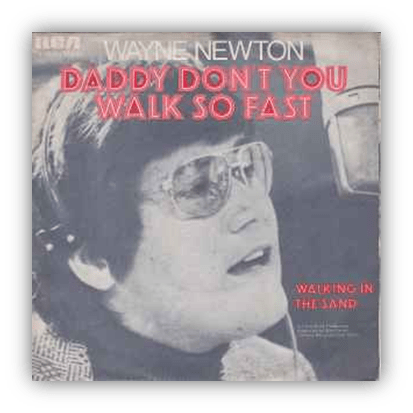
“Daddy, Don’t You Walk So Fast”, peaking at #4.
But in 1992, he released an easy-listening country-fusion standard called “The Letter” as a tribute to Elvis Presley.
In a decade like the 1970s or early ‘60s, this wouldn’t have seemed out of place next to Elton John or Bobby Vinton or Frank Sinatra. Of course, Boyz II Men hit their peak with easy-listening ballads of their own, but Wayne’s song sounded very dated by the time it released.
Just as Whitney Houston’s very own ballad, “I Will Always Love You”, reached its third week at #1 on its way to becoming a chart juggernaut, the song was interrupted by “The Letter” on the Cash Box charts:
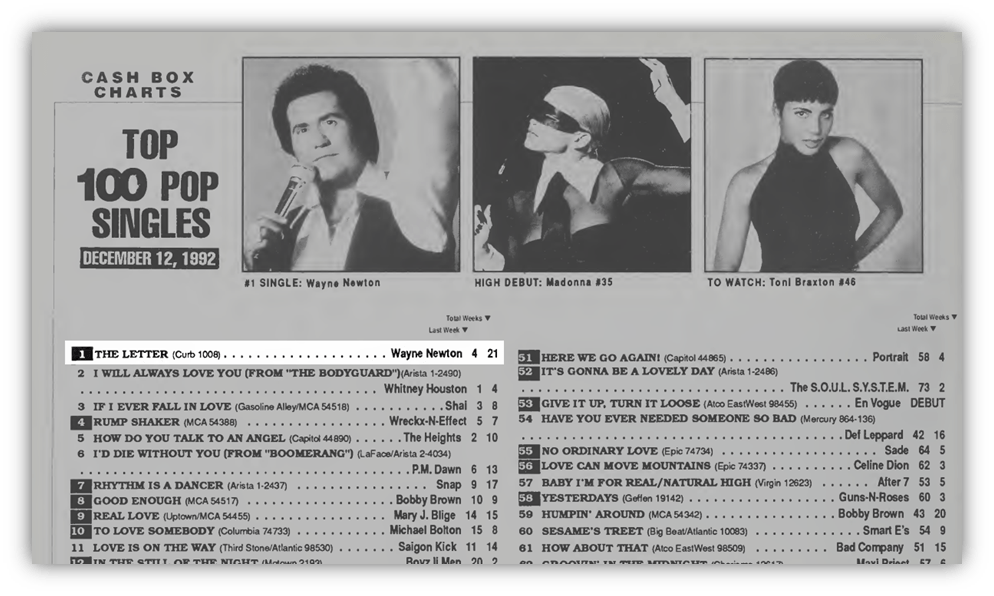
It didn’t chart anywhere on the Billboard Hot 100, not even the country charts, not even the Bubbling Under chart, not even an airplay chart.
Nothing.
It didn’t even get any radio play, yet that didn’t stop it from reaching #1.
People were quick to accuse Cashbox of payola and chart fixing, and it subsequently lost all credibility shortly after.
Of course, the chart wouldn’t shut down until 1996.
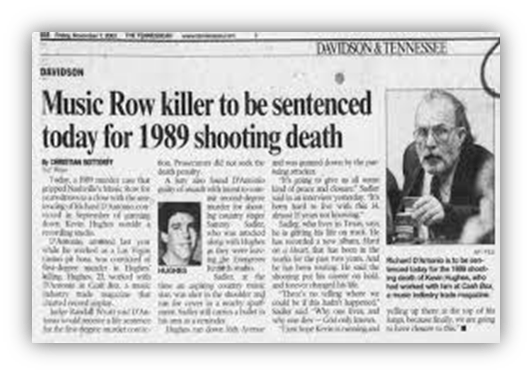
In 2003, a Cashbox employee was convicted for murder of someone who refused to go along with a payola scheme in 1989.
(This is not the Wayne Newton scheme, that one still remains a mystery to this day.)
Chapter 3: Cash Box Nowadays
The publication has since been revived as an online magazine with consent from its founder, George Albert.
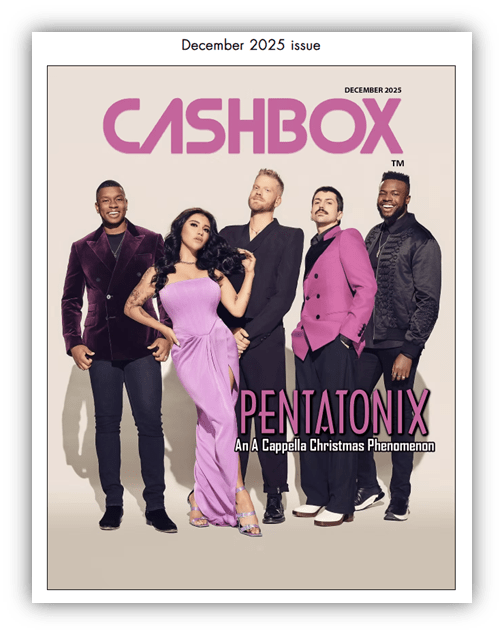
While it isn’t noticed or observed, Cash Box is still going, even after many tumultuous events.
So there you have it. This is the story of what was once the rival to Billboard’s charts, that has since lost any integrity in their chart curation.
Hope you enjoyed it.

































Billboard has had its share of chart manipulation accusations, especially when Bill Wardlow was running things.
Good work, MH. I hadn’t heard about the payola murder before, and my first job in Nashville was just down the street from where it happened. I’m going to have to look into it….
I do remember that murder. It was big news at the time. There is a podcast available on Spotify, “Murder on Music Row.” Season 1 tells the story of the Cashbox murder. Season 2 is about the murder of Skull Schulman. His club, Skull’s Rainbow Room is still operating in Printer’s Alley.
I knew about Skull and have been to the Rainbow Room. Great place but a sad story.
Hi MH, nice to know a little bit more about CB, and yet I don’t know if it had enough prestige in its heyday.
Do you think that the lack of competition has made BB a messy corporation these days? Because it didn’t make the needed adjustment in its rules until months ago, for example when the longevity of “Lose Control” became ridiculous at some point.
And it could be an unpopular opinion but, do you think that BB has to make like a new Hot 100 or separate eras and make a post Hot 100, starting from the digital or streaming era?
I did something similar to this in virtual 1996 when I had to sadly wrap up my Cash Box feature down in the comments. Good work MH.
It’s been, what, five years? I still remember your post about a family picnic. I could see what you were describing. Good stuff. Better than watching a video of the event.